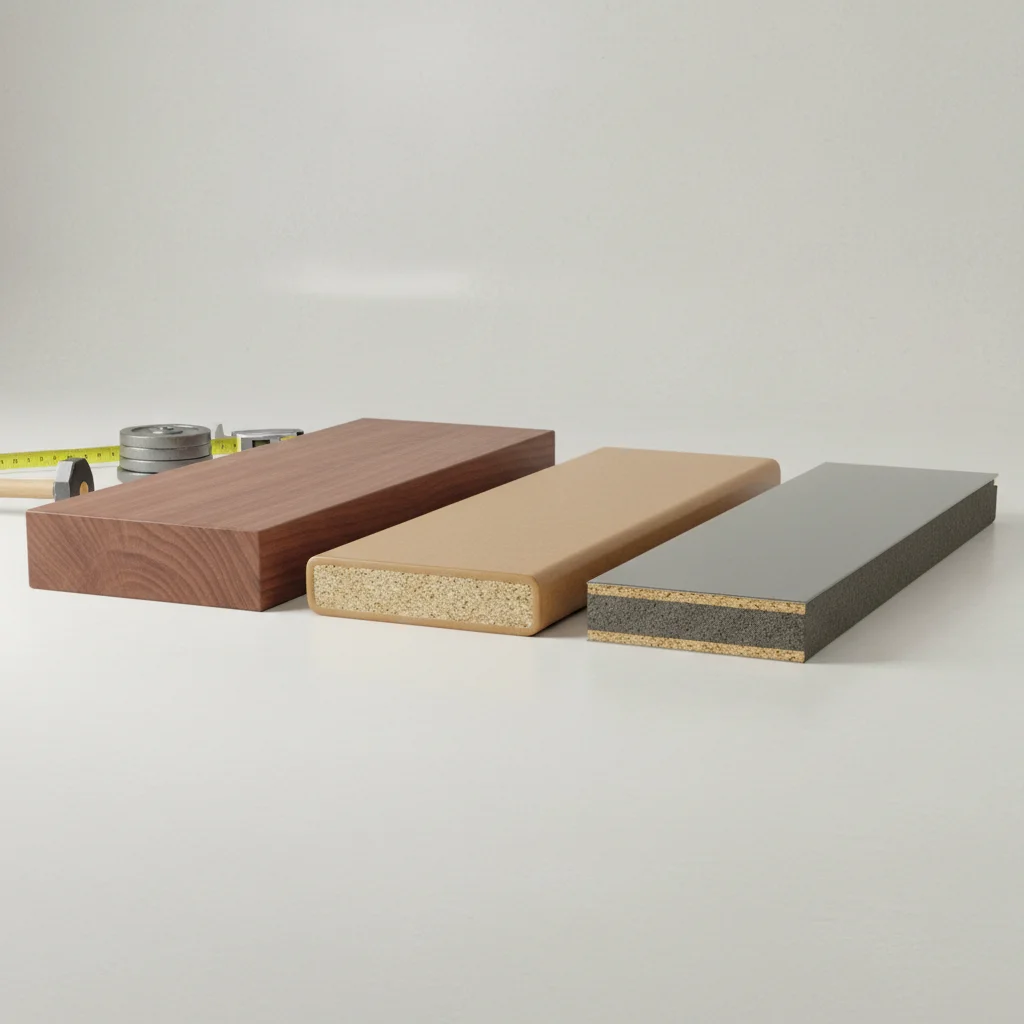
The best workbench top thickness for optimal stability and durability typically ranges from 1.5 to 2.5 inches. This range provides a robust surface capable of withstanding heavy impacts, vibrations from power tools, and the weight of various projects without significant deflection or damage. Thicker tops offer superior resistance to warping and provide a more stable platform for precision work.
Factors Influencing Workbench Top Thickness
Several factors dictate the ideal thickness for your workbench top. The type of work you perform is paramount; heavy-duty tasks like metalworking or engine repair demand a thicker, more resilient surface, while lighter tasks such as electronics assembly or crafting might suffice with a thinner top. The material of the workbench top also plays a crucial role. Solid hardwoods like maple or oak offer exceptional strength even at moderate thicknesses, whereas softer woods or composite materials may require additional thickness to achieve comparable stability.
The overall size of your workbench also influences the required top thickness. Larger workbenches with longer spans between supports will benefit from a thicker top to prevent sagging over time. Conversely, smaller workbenches with closer support structures can often get away with a slightly thinner top without compromising stability. Consider the maximum weight you anticipate placing on the workbench, including tools, materials, and project components, to ensure the top can handle the load.
Common Workbench Top Materials and Their Ideal Thicknesses
Different materials offer varying levels of strength and require specific thicknesses for optimal performance. For solid hardwood tops, such as maple, oak, or birch, a thickness of 1.75 to 2.25 inches is generally recommended for a balance of durability and cost. These woods are excellent for resisting dents and providing a stable work surface.
Plywood, particularly Baltic birch or high-grade construction plywood, can be a cost-effective option. For plywood tops, a minimum thickness of 1.5 inches (using two layers of 3/4-inch plywood laminated together) is advisable for good stability. For heavy-duty applications, consider three layers for a 2.25-inch total thickness. MDF (Medium-Density Fiberboard) is another option, often used as a core with a harder surface. If using MDF, aim for at least 1.5 inches, preferably 2 inches, due to its lower impact resistance compared to solid wood or plywood.
Benefits of a Thicker Workbench Top
|
Our Picks for the Best Work Bench in 2026
As an Amazon Associate I earn from qualifying purchases.
|
||
| Num | Product | Action |
|---|---|---|
| 1 | Express Folding Work Table, Easy Setup Portable Folding Work Table & Portable Folding Workbench, 34" W x 25" D x 31" H Lightweight Versatile Clamping Worktable for Garage/Wood Shop (Black) |

|
| 2 | Keter Folding Work Table, Portable Workbench w/ 12" Clamps for Garage/Wood Shop - Heavy-Duty and All-Weather for DIY Home Improvements and Worksites |
|
| 3 | Bench Solutions Heavy Duty Fold Down Work Bench. |
|
| 4 | POWERTEC Portable Small Workbench with Vise, Imprinted Ruler and Protractor Scale, Folding Sawhorse/Worktable and 4 Bench Dogs for Woodworking Projects (MT4006V) |
|
| 5 | Seville Classics UltraHD 72" W X 25" D Wood Top Height Adjustable Workbench 2000 Lb Capacity |
|
| 6 | Express Folding Worktable, Easy Setup Portable Folding Workbench, 34" W x 24" D Lightweight Versatile Worktable with 1650 Lbs Load Capacity Work Benches for DIY Home Improvements Professional Worksite |
|
| 7 | BORA Centipede 30in Folding Work Table - 48 x 96 Portable Workbench with 6000lb Capacity, 15-Strut Collapsible Work Bench for Garage, Mobile Workstation with Storage Bag - No Assembly Required CK15S |
|
| 8 | Heavyweight 2' x 4' DIY Workbench Kit with Heavy-Duty Plastic Brackets, Easy-Cut Build, Lumber Not Included, Gray |
|
| 9 | Foldable Work Bench,Easy Step Protable Work Table,34" W x 25" D x 31" H Lightweight Workbench wih 1650 LBS,Work Benches for Garage,Work Bench Suitable for Garage,Workshop and Home (Green) |
|
| 10 | Heavy Duty Workbench Bracket Kit - 8 Pcs Steel 3-Way Right Angle Corner Brackets for DIY Custom Workbench, Shelving, Work Table, Fits 2x4 (Actual 1.5"x3.5") Wood |
|
Investing in a thicker workbench top offers numerous advantages. Foremost among these is enhanced stability. A substantial top reduces vibrations, making it easier to perform precise tasks and ensuring that tools remain steady. This increased mass also contributes to the overall rigidity of the workbench, preventing wobbling and improving safety during operation. Thicker tops are also more resistant to damage from dropped tools, impacts, and general wear and tear, extending the lifespan of your workbench.
Furthermore, a thicker top provides better sound dampening, reducing noise levels in your workshop, especially when working with loud tools or striking materials. The added weight of a thicker top can also make the entire workbench more resistant to sliding or shifting during vigorous work, even without being bolted to the floor. This inherent stability is invaluable for both safety and efficiency.
Maintaining Your Workbench Top for Longevity
Regardless of its thickness, proper maintenance is crucial for the longevity of your workbench top. Regularly clean the surface to remove dust, debris, and spills, which can accumulate and cause damage over time. For wood tops, consider applying a protective finish such as polyurethane, tung oil, or linseed oil to guard against moisture, chemicals, and scratches. Reapply the finish periodically as needed.
- Clean spills immediately to prevent staining and material degradation.
- Avoid direct impact with sharp objects to prevent gouges and dents.
- Use protective mats or pads when working with hot items or harsh chemicals.
- Periodically check and tighten any fasteners on the workbench frame and top.
- Sand and refinish wood tops every few years to restore their appearance and protection.

I finally upgraded my old workbench and went with a 2-inch maple top, just like the post suggested for heavy-duty tasks. It’s made a huge difference. No more wobbling when I’m using my impact driver, and it feels incredibly solid. Definitely worth the investment for anyone doing serious work.
I was debating between a 1.5-inch and a 2-inch top for my crafting and light woodworking projects. Ended up going with the 1.5-inch solid oak, and it’s been perfect. It’s plenty stable for my needs and didn’t break the bank. Good to know that even at a moderate thickness, solid hardwoods like oak still deliver.
My old workbench was constantly vibrating when I used my orbital sander, which was super annoying. After reading about how thicker tops help with vibrations from power tools, I invested in a new bench with a 2.25-inch top. The difference is night and day! My precision work is so much easier now.
I got a workbench with a 1.75-inch top, hoping it would be enough for some of my metalworking. While it’s generally good, I do notice a bit of deflection when I’m really hammering on something heavy. I probably should have gone for the full 2.5 inches for that kind of work, as mentioned for superior resistance to warping. Live and learn, I guess.