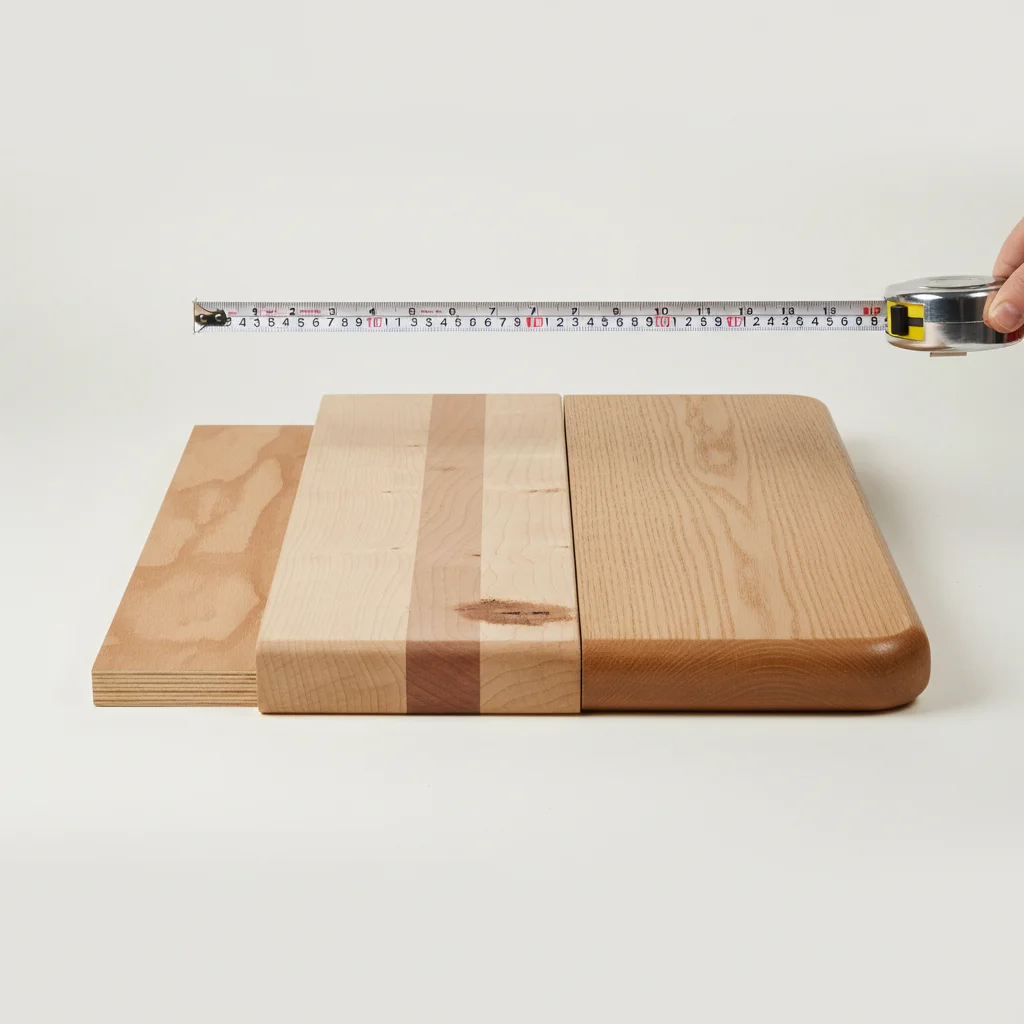
The best workbench top thickness for durability typically ranges from 1.5 inches to 2.25 inches, depending on the material and intended use. For heavy-duty applications, a thicker top provides superior stability and resistance to warping or damage from impacts. Lighter tasks might tolerate a thinner top, but for a workbench designed to last and withstand significant stress, a substantial thickness is crucial.
Understanding Workbench Top Materials and Thickness
Different materials require varying thicknesses to achieve optimal durability. For instance, a solid hardwood top, such as maple or oak, can offer exceptional strength at 1.75 inches, while a particleboard or MDF core with a laminate surface might need to be 2 inches or more to prevent sagging under load. Steel tops, though less common for general-purpose workbenches, can be thinner, often around 1/8 to 1/4 inch, due to the inherent strength of the metal. The choice of material directly influences the minimum viable thickness for a durable surface.
Factors Influencing Ideal Thickness
Several factors dictate the ideal workbench top thickness. The type of work you’ll be doing is paramount; precision tasks might not require the same robust surface as metalworking or engine repair. The weight of tools and materials you plan to place on the bench also plays a significant role. Furthermore, the span between supporting legs or cabinets affects the required thickness to prevent sagging. A wider span necessitates a thicker top to maintain rigidity. Consider the potential for impact, vibration, and chemical exposure when determining the appropriate thickness for your specific needs.
Benefits of a Thicker Workbench Top
|
Our Picks for the Best Work Bench in 2026
As an Amazon Associate I earn from qualifying purchases.
|
||
| Num | Product | Action |
|---|---|---|
| 1 | Express Folding Worktable, Easy Setup Portable Folding Workbench, 34" W x 24" D Lightweight Versatile Worktable with 1650 Lbs Load Capacity Work Benches for DIY Home Improvements Professional Worksite |

|
| 2 | BORA Centipede 30in Folding Work Table - 48 x 96 Portable Workbench with 6000lb Capacity, 15-Strut Collapsible Work Bench for Garage, Mobile Workstation with Storage Bag - No Assembly Required CK15S |
|
| 3 | Keter Folding Work Table, Portable Workbench w/ 12" Clamps for Garage/Wood Shop - Heavy-Duty and All-Weather for DIY Home Improvements and Worksites |
|
| 4 | Bench Solutions Heavy Duty Fold Down Work Bench. |
|
| 5 | Heavyweight 2' x 4' DIY Workbench Kit with Heavy-Duty Plastic Brackets, Easy-Cut Build, Lumber Not Included, Gray |
|
| 6 | Heavy Duty Workbench Bracket Kit - 8 Pcs Steel 3-Way Right Angle Corner Brackets for DIY Custom Workbench, Shelving, Work Table, Fits 2x4 (Actual 1.5"x3.5") Wood |
|
| 7 | Express Folding Work Table, Easy Setup Portable Folding Work Table & Portable Folding Workbench, 34" W x 25" D x 31" H Lightweight Versatile Clamping Worktable for Garage/Wood Shop (Black) |
|
| 8 | Foldable Work Bench,Easy Step Protable Work Table,34" W x 25" D x 31" H Lightweight Workbench wih 1650 LBS,Work Benches for Garage,Work Bench Suitable for Garage,Workshop and Home (Green) |
|
| 9 | POWERTEC Portable Small Workbench with Vise, Imprinted Ruler and Protractor Scale, Folding Sawhorse/Worktable and 4 Bench Dogs for Woodworking Projects (MT4006V) |
|
| 10 | Seville Classics UltraHD 72" W X 25" D Wood Top Height Adjustable Workbench 2000 Lb Capacity |
|
A thicker workbench top offers numerous advantages. Increased mass contributes to greater stability, reducing wobble and vibration during strenuous tasks like hammering or grinding. This enhanced stability also improves safety and precision. Thicker tops are more resistant to dents, gouges, and warping over time, extending the lifespan of your workbench. They also provide better sound dampening, making your workspace quieter. While a thicker top might cost more initially, its longevity and performance benefits often justify the investment, especially for a workbench intended for frequent, heavy use.
Maintaining Your Workbench Top for Longevity
Regardless of thickness, proper maintenance is key to maximizing the lifespan of your workbench top. Regularly clean the surface to remove debris, oils, and chemicals that can degrade the material. For wood tops, periodic sanding and re-sealing can protect against moisture and wear. Steel tops benefit from rust prevention treatments. Avoid dropping heavy objects directly onto the surface, and use protective mats or pads when working with sharp tools or abrasive materials. Addressing minor damage promptly, such as filling small dents or cracks, can prevent them from worsening and compromising the integrity of the top. Consistent care ensures your workbench remains a reliable and durable asset for years to come.
- Regularly clean the surface with appropriate cleaners.
- Apply protective finishes or sealants to wood tops.
- Inspect for and repair minor damage promptly.
- Use protective mats for heavy-duty tasks.
- Avoid prolonged exposure to moisture or harsh chemicals.
Choosing the Right Thickness for Your Projects
When selecting your workbench top thickness, consider the most demanding tasks you anticipate. For general garage use with occasional heavy projects, a 1.75-inch solid wood or a 2-inch composite top is often sufficient. For dedicated woodworking or metalworking, a 2-inch to 2.25-inch solid hardwood top provides superior performance and resilience. If budget is a primary concern, a well-supported 1.5-inch plywood top can be adequate for lighter tasks, but it will require more careful handling. Ultimately, investing in a slightly thicker top than you think you need can prevent future regrets and ensure your workbench stands up to the rigors of your projects.

This was super helpful in deciding on my new workbench. I was torn between a few options, but understanding that a 2-inch MDF core with laminate would prevent sagging was key. It’s holding up great for my woodworking projects, though I do wish I’d gone for a slightly thicker edge banding.
I appreciate the breakdown of different materials. I ended up getting a workbench with a 1.5-inch top, thinking it would be enough for my lighter tasks. While it’s okay for general assembly, I’ve noticed some minor flex when I’m really torquing on something. Next time, I’ll definitely aim for something closer to the 2.25-inch range for better stability.
I’ve been looking to upgrade my old workbench, and the info here about solid hardwood tops really hit home. I went with a 1.75-inch maple top, and it’s incredibly sturdy. No more wobbling when I’m really leaning into a project. Definitely worth the investment for the durability.
Finally got around to building my dream workbench, and the advice on thickness was spot on. I opted for a 2-inch solid oak top, and it’s a beast. It handles everything from heavy metal fabrication to delicate electronics work without a hitch. This thing feels like it’ll last a lifetime.