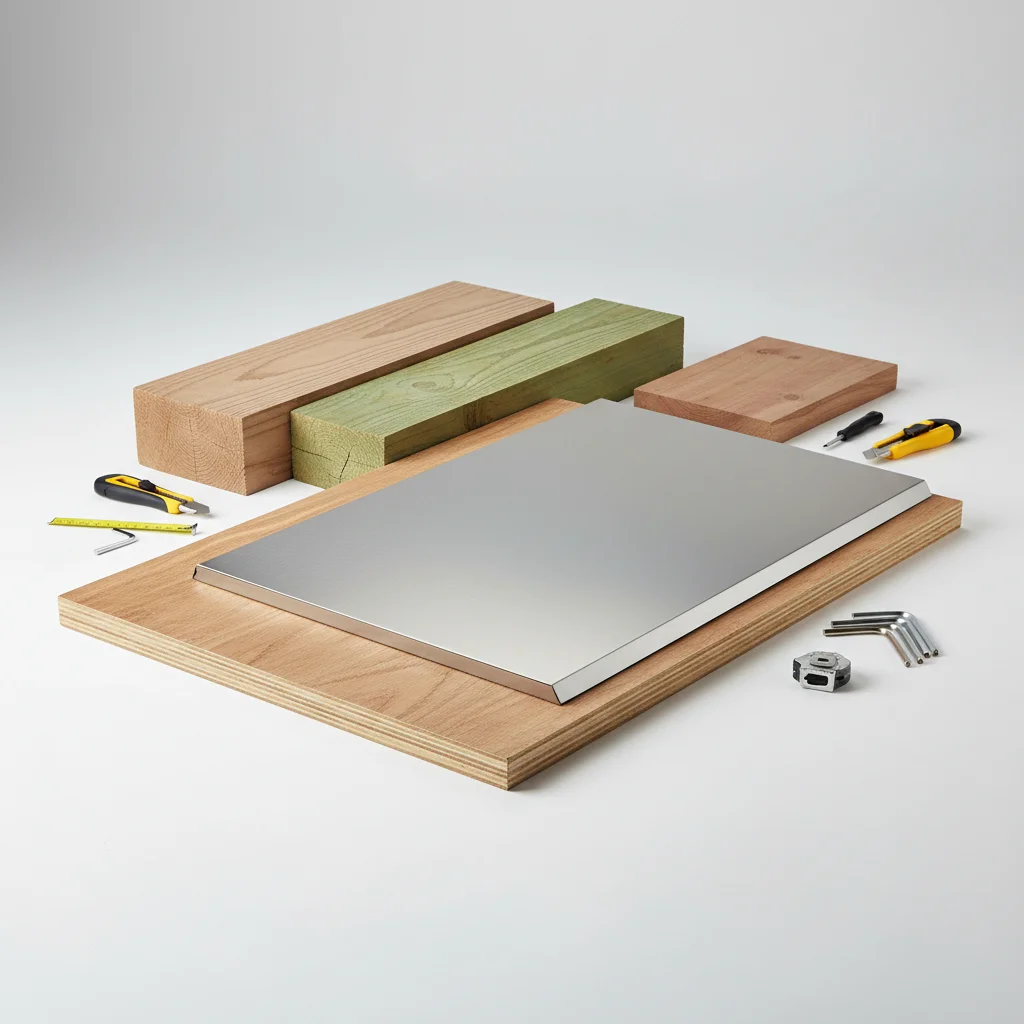
When selecting the best workbench material for outdoor use, the top choice for durability and weather resistance is marine-grade plywood, followed closely by treated lumber and certain types of metal like galvanized steel. These materials offer superior protection against moisture, UV rays, and temperature fluctuations, ensuring your outdoor workbench remains functional and stable for years.
Why Marine-Grade Plywood Excels Outdoors
Marine-grade plywood is specifically engineered to withstand prolonged exposure to moisture without delaminating or deteriorating. Its construction uses waterproof glues and high-quality veneers, making it an ideal material for outdoor work surfaces where rain, humidity, or even accidental spills are common. While it can be more expensive than standard plywood, its longevity in outdoor environments justifies the investment, reducing the need for frequent replacements or extensive maintenance.
Treated Lumber: A Cost-Effective and Durable Option
Pressure-treated lumber is another excellent choice for outdoor workbenches, offering good resistance to rot, insects, and fungal decay. The chemical treatment process forces preservatives deep into the wood fibers, creating a barrier against environmental damage. It’s a more budget-friendly option compared to marine-grade plywood and is readily available. However, it’s important to ensure proper ventilation during construction and use, as some treated lumber can off-gas chemicals, especially when new. For enhanced protection, consider sealing treated lumber with an outdoor-grade sealant.
Galvanized Steel for Ultimate Strength and Weather Resistance
|
Our Picks for the Best Work Bench in 2026
As an Amazon Associate I earn from qualifying purchases.
|
||
| Num | Product | Action |
|---|---|---|
| 1 | Express Folding Work Table, Easy Setup Portable Folding Work Table & Portable Folding Workbench, 34" W x 25" D x 31" H Lightweight Versatile Clamping Worktable for Garage/Wood Shop (Black) |

|
| 2 | Seville Classics UltraHD 72" W X 25" D Wood Top Height Adjustable Workbench 2000 Lb Capacity |
|
| 3 | Foldable Work Bench,Easy Step Protable Work Table,34" W x 25" D x 31" H Lightweight Workbench wih 1650 LBS,Work Benches for Garage,Work Bench Suitable for Garage,Workshop and Home (Green) |
|
| 4 | Bench Solutions Heavy Duty Fold Down Work Bench. |
|
| 5 | Heavy Duty Workbench Bracket Kit - 8 Pcs Steel 3-Way Right Angle Corner Brackets for DIY Custom Workbench, Shelving, Work Table, Fits 2x4 (Actual 1.5"x3.5") Wood |
|
| 6 | POWERTEC Portable Small Workbench with Vise, Imprinted Ruler and Protractor Scale, Folding Sawhorse/Worktable and 4 Bench Dogs for Woodworking Projects (MT4006V) |
|
| 7 | Express Folding Worktable, Easy Setup Portable Folding Workbench, 34" W x 24" D Lightweight Versatile Worktable with 1650 Lbs Load Capacity Work Benches for DIY Home Improvements Professional Worksite |
|
| 8 | Heavyweight 2' x 4' DIY Workbench Kit with Heavy-Duty Plastic Brackets, Easy-Cut Build, Lumber Not Included, Gray |
|
| 9 | BORA Centipede 30in Folding Work Table - 48 x 96 Portable Workbench with 6000lb Capacity, 15-Strut Collapsible Work Bench for Garage, Mobile Workstation with Storage Bag - No Assembly Required CK15S |
|
| 10 | Keter Folding Work Table, Portable Workbench w/ 12" Clamps for Garage/Wood Shop - Heavy-Duty and All-Weather for DIY Home Improvements and Worksites |
|
For the ultimate in strength and weather resistance, galvanized steel is an unparalleled material for outdoor workbench frames. The galvanization process applies a protective zinc coating that prevents rust and corrosion, even in harsh outdoor conditions. While a full steel workbench might be overkill for many DIYers, incorporating galvanized steel components, such as legs or a frame, can significantly enhance the overall durability and lifespan of your outdoor workspace. It pairs well with a marine-grade plywood or treated lumber top.
- Marine-grade plywood for superior water resistance.
- Pressure-treated lumber for rot and insect protection.
- Galvanized steel for rust-proof structural integrity.
- Outdoor-grade sealants to extend material life.
- Stainless steel fasteners to prevent corrosion.
Considerations for Workbench Tops and Accessories
Beyond the primary construction materials, the choice of workbench top and accessories also plays a crucial role in outdoor performance. For the work surface itself, a thick sheet of marine-grade plywood or treated lumber is recommended. For fasteners, always opt for stainless steel or galvanized hardware to prevent rust and staining. Additionally, consider incorporating features like a waterproof cover or a sloped surface to facilitate water runoff, further protecting your investment.
Maintenance Tips for Outdoor Workbenches
Even with the most durable materials, regular maintenance is key to extending the life of your outdoor workbench. Periodically inspect the surface for any signs of wear, rot, or rust. Reapply sealants or paints as needed, typically every 1-2 years, depending on exposure to the elements. Keep the workbench clean, removing any debris or standing water promptly. If your workbench is exposed to extreme weather, consider covering it when not in use.

I’ve been using a workbench made from treated lumber for my gardening tasks, and it’s been pretty solid. It handles the occasional splash from the hose and direct sun without any issues. I do wish I’d sealed it a bit better when I first built it, as some of the surface is starting to show a little wear, but overall, it’s a great option for outdoor use without breaking the bank.
I opted for a galvanized steel workbench for my outdoor setup, thinking it would be totally maintenance-free. While it’s super sturdy and doesn’t rust, I’ve noticed it gets really hot in direct sunlight, which can be a bit annoying when I’m trying to work on something delicate. It’s also pretty heavy to move around. Good for heavy-duty stuff, but maybe not for every outdoor task.
My old outdoor workbench was constantly getting ruined by moisture and UV rays. After reading up on materials, I decided to invest in a new one made with marine-grade plywood. The waterproof glues and high-quality veneers really make a difference. It’s been through a few storms already and looks as good as new. Definitely worth the extra cost for the peace of mind.
I finally pulled the trigger on building an outdoor workbench and went with marine-grade plywood as suggested. It was definitely a bit pricier than regular plywood, but the difference in quality is obvious. I’ve had it out in the elements for a few months now, through some heavy rain, and it’s holding up perfectly. No warping or delamination at all, which is exactly what I needed for my patio projects.