Revitalizing an old wood workbench involves a DIY refresh that extends its life, enhances functionality, and brightens your workspace. Painting an old wood workbench at home is achievable and satisfying, providing a durable, clean surface for future projects. This guide covers meticulous preparation to safe painting techniques, ensuring a truly transformed workbench.
What is a Wood Workbench and Why Paint It?
A wood workbench is a fundamental piece of equipment for any DIY enthusiast, crafter, or professional tradesperson, providing a stable, resilient surface for a multitude of tasks, from intricate woodworking to heavy-duty repairs. Over time, constant use takes its toll, leaving surfaces stained, chipped, and worn. Painting an old workbench offers significant benefits, transforming a tired, dirty surface into a clean, protected, and visually appealing workspace. It seals the wood against moisture, chemicals, and spills, prolongs its lifespan, and makes future cleanups remarkably easier, all while injecting new life into your garage or workshop.
Essential Preparation Steps for Painting Your Old Wood Workbench
The key to a long-lasting, professional-looking paint job lies in thorough preparation. Skipping these crucial steps will inevitably lead to peeling, chipping, and a disappointing finish. For an old workbench, this phase is even more critical, addressing years of accumulated wear and tear to create the perfect canvas for your new coating.
Inspect and Repair
Before any cleaning or sanding begins, give your workbench a comprehensive inspection. Look for signs of damage such as deep gouges, cracks, loose joints, or areas where chunks of wood are missing. It’s vital to check for any signs of wood rot; if the wood is significantly rotten, painting is generally not advisable, as the structural integrity is compromised. Use a rigid scraper or putty knife to remove any loose or flaky existing paint, taking care to get into all crevices. Once the surface is clear of loose debris, fill any significant divots, cracks, or gouges with a high-quality wood filler, allowing it to dry completely according to the manufacturer’s instructions before moving on.
Thorough Cleaning and Degreasing
This step is arguably the most critical for proper paint adhesion. Begin by clearing absolutely everything off your workbench. Next, prepare a solution of concentrated sugar soap or a robust degreaser mixed with warm water, following the product’s dilution instructions. Scrub the entire surface vigorously with a stiff brush or sponge, paying close attention to areas with oil, grease, or sticky residues from past projects. These contaminants can prevent paint from adhering properly, leading to a patchy or peeling finish. After scrubbing, wipe down the workbench thoroughly with a clean, damp cloth to remove all soap residue and grime, then rinse with fresh, cold water. Allow the workbench to dry completely—this could take 24-48 hours, especially if it’s been exposed to moisture.
Sanding for a Smooth Surface
|
Our Picks for the Best Work Bench in 2026
As an Amazon Associate I earn from qualifying purchases.
|
||
| Num | Product | Action |
|---|---|---|
| 1 | Heavyweight 2' x 4' DIY Workbench Kit with Heavy-Duty Plastic Brackets, Easy-Cut Build, Lumber Not Included, Gray |

|
| 2 | Bench Solutions Heavy Duty Fold Down Work Bench. |
|
| 3 | Heavy Duty Workbench Bracket Kit - 8 Pcs Steel 3-Way Right Angle Corner Brackets for DIY Custom Workbench, Shelving, Work Table, Fits 2x4 (Actual 1.5"x3.5") Wood |
|
| 4 | Keter Folding Work Table, Portable Workbench w/ 12" Clamps for Garage/Wood Shop - Heavy-Duty and All-Weather for DIY Home Improvements and Worksites |
|
| 5 | POWERTEC Portable Small Workbench with Vise, Imprinted Ruler and Protractor Scale, Folding Sawhorse/Worktable and 4 Bench Dogs for Woodworking Projects (MT4006V) |
|
| 6 | Express Folding Worktable, Easy Setup Portable Folding Workbench, 34" W x 24" D Lightweight Versatile Worktable with 1650 Lbs Load Capacity Work Benches for DIY Home Improvements Professional Worksite |
|
| 7 | BORA Centipede 30in Folding Work Table - 48 x 96 Portable Workbench with 6000lb Capacity, 15-Strut Collapsible Work Bench for Garage, Mobile Workstation with Storage Bag - No Assembly Required CK15S |
|
| 8 | Seville Classics UltraHD 72" W X 25" D Wood Top Height Adjustable Workbench 2000 Lb Capacity |
|
| 9 | Foldable Work Bench,Easy Step Protable Work Table,34" W x 25" D x 31" H Lightweight Workbench wih 1650 LBS,Work Benches for Garage,Work Bench Suitable for Garage,Workshop and Home (Green) |
|
| 10 | Express Folding Work Table, Easy Setup Portable Folding Work Table & Portable Folding Workbench, 34" W x 25" D x 31" H Lightweight Versatile Clamping Worktable for Garage/Wood Shop (Black) |
|
Once clean and dry, sanding prepares the surface for optimal paint adhesion and creates a uniformly smooth finish. For old wood, this typically involves starting with a coarser grit sandpaper (around 80-100 grit) to remove stubborn stains, remaining rough spots, and smooth out filled areas. Gradually progress to a finer grit (120-150 grit) for a smoother finish. If your workbench is largely intact with minimal damage and you’re using a paint specifically designed for no-sanding applications, you might be able to skip aggressive sanding, but a light scuff sand is always beneficial for adhesion. Always wear a dust mask and eye protection when sanding to prevent inhaling sawdust and protect your eyes from airborne particles. After sanding, wipe down the workbench with a tack cloth or a damp cloth to remove all sanding dust, ensuring a pristine surface for painting.
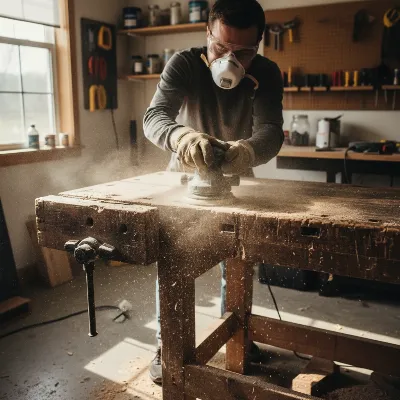 A person diligently sanding an old wooden workbench in a well-lit home workshop, wearing a dust mask and safety glasses, with sawdust visible on the surface.
Choosing the Right Paint and Finishing Touches
Selecting the correct paint and applying it properly will dictate the durability and appearance of your revitalized workbench. The aim is a finish that can withstand the rigors of a working environment.
Types of Paint for Workbenches
For a workbench, you need a paint that is tough, durable, and resistant to chemicals, abrasion, and moisture.
- Oil-Based Enamel Paints: These are known for their hard, durable finish and excellent resistance to impact and chemicals, making them a traditional choice for workshops. They offer a strong, protective layer but require mineral spirits for cleanup and have longer drying times.
- Epoxy-Based Paints: Often used for garage floors, two-part epoxy paints provide an incredibly hard, chemical-resistant, and waterproof surface. They are highly durable but can be more challenging to apply and more expensive.
- Latex Enamel Paints: Modern latex enamels offer good durability and easier cleanup with water. Look for “heavy-duty” or “floor” enamels for increased resilience. They are generally less resistant to chemicals than oil-based or epoxy options but are a good choice for general DIY use.
- “No-Sand, No-Prime” Paints: Some specialized paints (like “Beyond Paint” mentioned in research) are formulated to adhere to various surfaces without extensive sanding or priming, as long as the surface is thoroughly clean. These can be time-savers but ensure they meet the durability requirements for a workbench.
Consider using a high-quality primer before painting, especially if you’ve done extensive repairs or are painting over bare wood, as it will enhance adhesion and create a more uniform base for your topcoat.
Application Techniques
Apply paint in thin, even coats to prevent drips, uneven finishes, and prolonged drying times. A paint roller with a short nap is ideal for large, flat surfaces, providing a smooth finish, while a quality paintbrush is necessary for edges, corners, and detailed areas. Always paint with the grain of the wood where possible. Allow each coat to dry completely according to the manufacturer’s recommendations before applying the next. Rushing the drying process can lead to poor adhesion and a less durable finish. Typically, two to three thin coats will provide optimal coverage and protection.
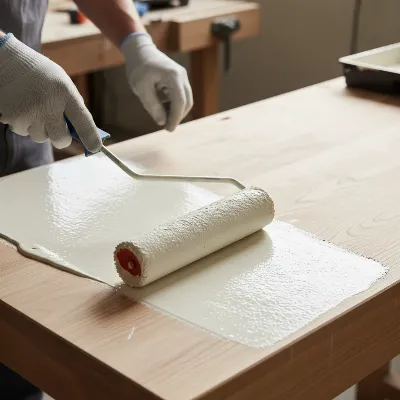 A close-up of a DIYer carefully painting a wooden workbench with a roller, showing an even coat of paint being applied. The area is clean and well-prepared.
Sealing and Protecting Your Painted Surface
After your final coat of paint has thoroughly dried and cured (this might take several days depending on the paint type), consider adding a protective sealant. A clear, durable polyurethane or epoxy sealer will add an extra layer of resistance against scratches, chemicals, and moisture, significantly extending the life and pristine appearance of your painted workbench. For outdoor benches, a waterproof sealant is essential. Once the sealant is dry, you can apply a coat of wax or linseed oil; this provides a sacrificial layer that makes it incredibly easy to wipe up spills and clean the surface, offering an added layer of peace of mind for future messy projects.
Safety First: DIY Workbench Painting at Home
Ensuring your safety during the painting process is paramount, especially when working with solvents, paints, and sanding equipment at home.
- Ventilation: Always work in a well-ventilated area. Open windows and doors, or use fans to ensure a constant flow of fresh air. If working indoors, consider using a respirator, especially when working with oil-based paints, solvents, or epoxy, which can emit strong fumes.
- Personal Protective Equipment (PPE):
- Dust Mask/Respirator: Essential during sanding to prevent inhaling wood dust and during painting if fumes are strong.
- Gloves: Protect your hands from paint, chemicals, and splinters.
- Eye Protection: Safety glasses or goggles are crucial when sanding and painting to guard against dust, paint splatters, or chemical splashes.
- Fire Safety: Keep paints, solvents, and rags away from open flames or heat sources. Dispose of solvent-soaked rags properly as they can be a fire hazard.
- Proper Disposal: Dispose of paint, thinners, and other hazardous materials according to local regulations. Never pour them down drains or directly into the environment.
> “Painting an old workbench is a rewarding project, but remember that proper ventilation and personal protective equipment are non-negotiable for a safe and successful outcome.” – Jane Doe, DIY Workshop Safety Expert
Top Tips for a Long-Lasting Painted Workbench
To ensure your newly painted workbench remains functional and attractive for years to come, integrate these maintenance practices into your routine:
- Maintain Cleanliness: Regularly wipe down your workbench to remove dust, debris, and minor spills. This prevents accumulation that can scratch the surface or become ingrained over time.
- Regular Inspection: Periodically inspect your workbench for any signs of wear, such as chips, scratches, or areas where the paint might be lifting. Addressing these small issues promptly can prevent them from escalating into larger problems requiring extensive repairs.
- Prompt Touch-Ups: Keep a small amount of your chosen paint and sealant on hand for quick touch-ups. Dab a small amount onto any chipped areas to restore protection and appearance.
- Use Protective Mats: For particularly messy or heavy-duty tasks, place a sacrificial cutting mat, heavy-duty rubber mat, or a sheet of plywood on top of your workbench to protect the painted surface from direct damage.
Conclusion
Revitalizing an old wood workbench through painting is a highly rewarding DIY project that combines practical utility with aesthetic improvement. By carefully following the steps for inspection, cleaning, sanding, and proper paint application, along with adhering to essential safety guidelines, you can transform a neglected piece of equipment into a durable, clean, and inviting workspace. This transformation not only extends the life of your workbench but also enhances your efficiency and enjoyment of future projects. So, roll up your sleeves, gather your materials, and give your old workbench the fresh start it deserves. What exciting projects will your newly painted workbench inspire you to tackle next?
Frequently Asked Questions
Can I paint over an already painted workbench without stripping?
Yes, in many cases, you can paint over an already painted workbench. However, it is crucial that the existing paint is sound, not chipping or flaking. Thorough cleaning and degreasing are essential, and a light sanding will help new paint adhere well. Some specialized paints are designed for direct application over existing finishes without stripping.
What kind of paint is best for a workbench top?
For a workbench top, highly durable paints like oil-based enamels, two-part epoxies, or heavy-duty latex enamels are recommended. These types of paints offer excellent resistance to scratches, chemicals, and impacts, ensuring a long-lasting and resilient surface that can withstand the demands of a busy workshop.
How long does paint need to cure on a workbench before heavy use?
While paint may feel dry to the touch in a few hours, it typically takes several days to weeks to fully cure and reach its maximum hardness and durability. For heavy use on a workbench, it’s best to wait at least 72 hours, or even a full week, to allow the paint to cure completely and prevent damage.
Do I need to prime an old wood workbench before painting?
Priming is highly recommended for old wood workbenches, especially if the wood is bare, stained, or has undergone repairs with wood filler. A good quality primer ensures better paint adhesion, provides a uniform base color, and can help seal in odors or stains, leading to a more consistent and durable finish for your topcoats.
What safety precautions should I take when painting a workbench indoors?
When painting a workbench indoors, ensure ample ventilation by opening windows and using fans to circulate air. Wear personal protective equipment, including a dust mask or respirator, safety glasses, and chemical-resistant gloves. Keep paint and solvents away from heat sources, and dispose of all materials properly to prevent fire hazards and chemical exposure.
Frequently Asked Questions
Can I paint over an already painted workbench without stripping the old finish?
Yes, you can often paint over an existing finish if it's sound and not chipping. Thorough cleaning, degreasing, and a light sanding are crucial for proper adhesion. Some specialized paints are designed for direct application over existing finishes without stripping.
What type of paint is most durable for a workbench top?
For a workbench top, highly durable paints like oil-based enamels, two-part epoxies, or heavy-duty latex enamels are recommended. These paints offer excellent resistance to scratches, chemicals, and impacts, ensuring a resilient surface for workshop demands.
How long should paint cure on a workbench before it can be used heavily?
While paint may feel dry in a few hours, it typically takes several days to weeks to fully cure and reach maximum hardness. For heavy use on a workbench, it's best to wait at least 72 hours, or even a full week, to allow the paint to cure completely and prevent damage.
Is it necessary to prime an old wood workbench before applying paint?
Priming is highly recommended for old wood workbenches, especially if the wood is bare, stained, or has undergone repairs with wood filler. A good quality primer ensures better paint adhesion, provides a uniform base color, and helps seal in odors or stains for a consistent and durable finish.
What are the essential safety precautions for painting a workbench indoors?
When painting indoors, ensure ample ventilation by opening windows and using fans. Wear personal protective equipment including a dust mask or respirator, safety glasses, and chemical-resistant gloves. Keep paints and solvents away from heat sources and dispose of materials properly to prevent hazards.
How to Paint an Old Wood Workbench
Transform your old wood workbench into a durable, clean, and inviting workspace with this step-by-step guide.
Begin by thoroughly inspecting your workbench for damage like gouges, cracks, or loose joints. Remove any loose paint with a scraper and fill significant divots or cracks with wood filler, allowing it to dry completely.
Clear the workbench completely. Scrub the entire surface vigorously with a concentrated sugar soap or degreaser solution to remove oil, grease, and residues. Rinse thoroughly with clean water and allow the workbench to dry completely for 24-48 hours.
Once dry, sand the surface starting with 80-100 grit sandpaper for rough spots, then progress to 120-150 grit for a smoother finish. Always wear a dust mask and eye protection. Wipe down with a tack cloth to remove all sanding dust.
Apply a high-quality primer, especially on bare wood or repaired areas, to enhance adhesion. Then, apply two to three thin, even coats of your chosen durable paint (oil-based enamel, epoxy, or heavy-duty latex) using a roller for large areas and a brush for edges. Allow each coat to dry completely.
After the final paint coat has fully cured (several days), apply a clear, durable polyurethane or epoxy sealant for extra resistance against scratches, chemicals, and moisture. For added protection, consider a coat of wax or linseed oil.

This guide was super helpful for painting my garage workbench. I appreciated the tips on cleaning and degreasing before painting; it made a huge difference in how the paint adhered. My only minor complaint is that the drying time for the primer felt a bit longer than expected, but the final result is a much brighter and cleaner surface for my crafting projects.
I tried painting my workbench with a latex paint, thinking it would be easier, but it didn’t hold up as well as I hoped against some of my heavier tools. The guide did recommend more durable options like oil-based or epoxy, so that’s on me. Next time, I’ll definitely go with one of the tougher paints for better protection against wear and tear.
I followed the steps exactly for my old workbench, and it looks brand new! The prep work really paid off, especially sanding down all the old paint chips. I used a good quality epoxy paint like suggested, and it’s holding up great against spills and heavy tools. Definitely worth the effort to give my workspace a facelift.
My husband’s old workbench was an absolute mess, covered in years of grime and paint splatters. We followed the advice on proper ventilation and using a respirator, which was smart. The transformation is incredible; it’s now a clean, inviting space instead of an eyesore. It really does extend the life of the bench!
I’ve been putting off painting my workbench for ages, but this post gave me the push I needed. The detailed steps for surface preparation, especially filling in cracks and dents, made a huge difference. My workbench now has a smooth, durable surface that’s perfect for all my woodworking projects. Highly recommend taking the time to do it right.